


A stuffy nose in the morning feels like a small problem, but it often points to something happening inside your home’s heating system. Overnight air quality matters more than people realize, especially when the furnace quietly pushes warm air through your bedrooms for hours. A dirty system sends irritants right into the spaces where you sleep, making mornings start off on the wrong foot.
Learn More About When to Clean Your Furnace.
The Dust Buildup in Your Furnace Irritates Your Sinuses
Dust inside a furnace does not sit still. As soon as the system starts, loose particles lift off internal surfaces and ride the airflow straight toward living areas. During the night, this movement happens repeatedly while windows remain closed and air circulation stays limited. The result is a higher concentration of fine debris reaching nasal passages when the body is least prepared to defend itself.
Sinuses react quickly to airborne irritants. Even small particles can trigger swelling and mucus production by morning. What surprises many homeowners is how little visible dust is needed to cause this response. The problem starts deep inside the unit, where years of buildup quietly affect breathing comfort without any obvious warning signs.

How Dirty Filters Push Allergens Back into Your Bedroom Air
Filters are designed to trap particles, but they lose effectiveness once packed with debris. When airflow meets resistance, air searches for the easiest path forward. That often means forcing smaller allergens through weakened filter fibers and redistributing them across the home, including sleeping areas.
Bedrooms feel the impact most because people remain in one position for hours. With every heating cycle, microscopic irritants recirculate close to pillows and bedding. Over time, this exposure can create a pattern of morning congestion that seems unexplained until the filter condition is examined more closely.
Clogged Blower Components That Spread Fine Particles
The blower assembly acts as the engine of air movement. When dust coats its blades, it disrupts balance and efficiency. Instead of pushing air smoothly, the blower agitates settled debris and sends it into circulation. This turbulence increases the amount of fine material released into the air stream.
What makes this issue tricky is its invisibility. Blower problems rarely announce themselves with loud noises at first. They quietly worsen air quality while still heating the home effectively, leading residents to assume everything is working fine despite persistent nasal irritation.
Why Neglected Duct Connections Affect Morning Air Quality
Loose or poorly sealed duct connections allow air to pull in contaminants from wall cavities and crawl spaces. These areas often contain insulation fibers, construction dust, and other irritants that never belong in living spaces. Overnight heating cycles draw these particles inward without anyone noticing.
By morning, the air feels heavier and less comfortable. Because the source sits behind walls or ceilings, symptoms appear without a clear cause. Addressing duct integrity can dramatically reduce unwanted exposure that affects breathing comfort at the start of each day.

The Hidden Mold Patches That Form Inside Damp Furnace Areas
Moisture buildup inside heating equipment creates ideal conditions for mold growth. Condensation can collect near coils or drain pans, especially during temperature swings. Over time, small patches develop and release spores whenever warm air passes through.
These spores often go unnoticed because they remain invisible to the naked eye. Yet their impact becomes clear when morning congestion feels more intense or persistent. Damp internal surfaces can quietly undermine indoor comfort without producing obvious odors or visible signs.
How Weak Airflow Stirs up Settled Debris Overnight
Reduced airflow allows particles to settle inside ducts during the day. When the system cycles overnight, these materials lift back into the air in uneven bursts. Instead of steady circulation, the air carries pockets of concentrated debris.
This stop-and-start movement irritates nasal passages more than consistent airflow would. People wake up feeling stuffy without realizing that airflow issues, not outdoor conditions, may be responsible for the discomfort they feel every morning.
Why Stale Furnace Odors Signal Poor Indoor Air Conditions
Stale odors often come from dust, moisture, or burnt particles caught on furnace components. These smells grow stronger at night because there’s less ventilation and the system runs longer. If your home was recently involved in estate sales or reorganizing inherited belongings, you may have disturbed dust that made its way into the system.
Bad odors also warn you that the furnace is holding contaminants that affect breathing. Once the heat cycle begins, those smells spread, making the air feel heavy or stale. This usually signals it’s time for a full cleaning to restore fresh airflow.
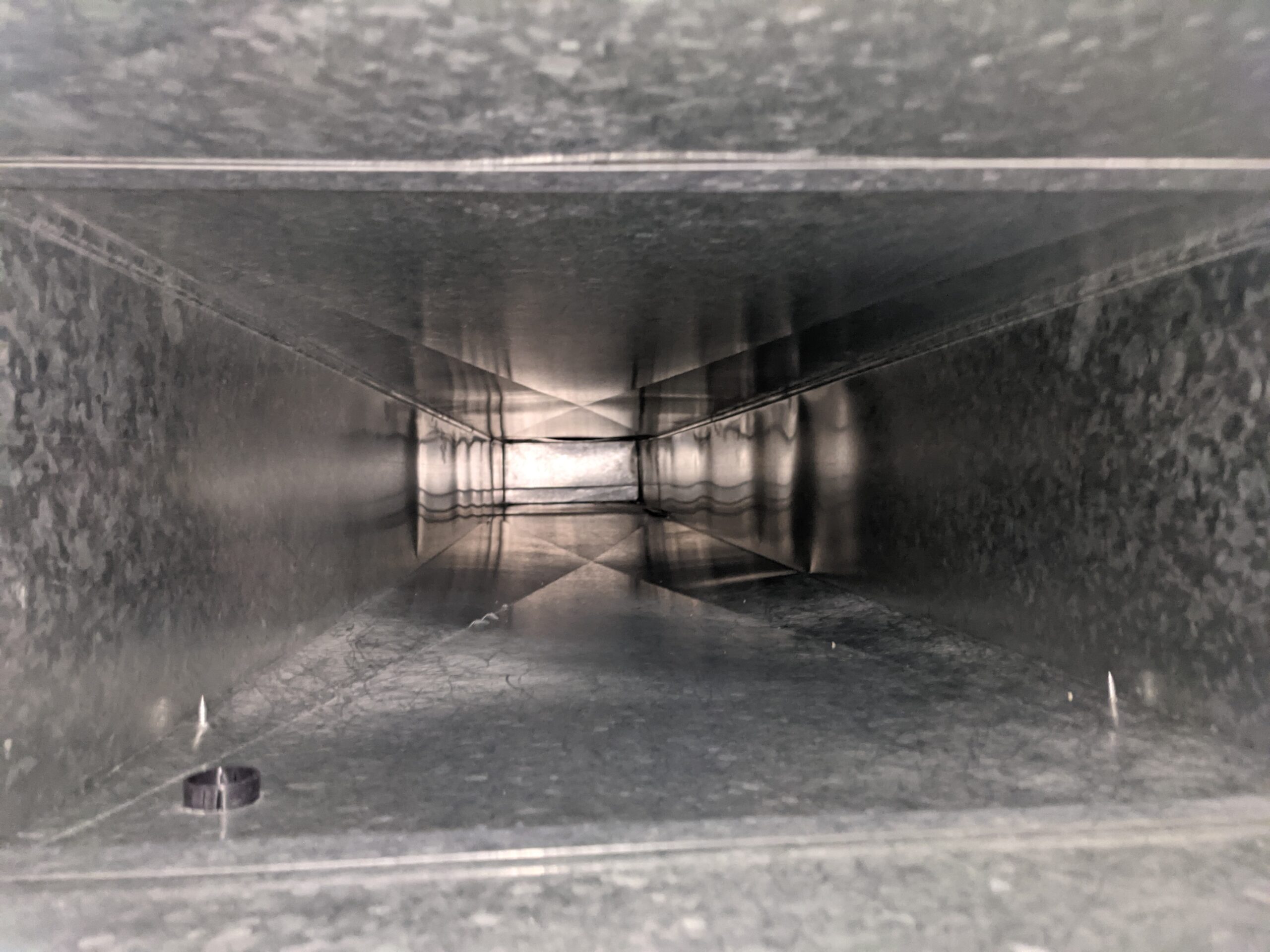
Duct Dudes Offers Comprehensive Furnace Cleaning to Improve Indoor Air and Give You Healthier Mornings
Clean air does not happen by accident. It results from equipment that stays free of buildup and operates as intended. A professional furnace cleaning service removes hidden debris, restores airflow, and reduces the circulation of irritants that affect breathing comfort overnight. Duct Dudes focuses on improving how homes feel when the day begins. Our approach targets the source, not just the symptoms, helping households wake up without congestion tied to indoor air conditions. Cleaner systems support healthier mornings and more comfortable living spaces.
Contact us today to schedule a service that puts indoor air comfort first. A cleaner furnace means fewer irritants, smoother airflow, and mornings that start without the sniffles.
Frequently Asked Questions
- What does Duct Dudes do when they clean my furnace?
When technicians clean your furnace, we inspect and clean all major components like the heat exchanger, blower, burners, and filters. We also check for safety issues including carbon monoxide or gas leaks to ensure the system runs safely and efficiently. - How often should I get my furnace cleaned?
Most homes benefit from an annual furnace cleaning, especially before heavy winter use. If your home has pets, allergies, or an older system, more frequent cleanings may be helpful. - How long does a furnace cleaning take?
A typical furnace cleaning appointment lasts about 2–3 hours, depending on the condition of the system and how long it has been since the last service. You don’t need to be home the entire time, but it’s helpful to be present at the start and end. - Are the technicians qualified to clean furnaces?
Yes. Duct Dudes technicians are licensed, insured, and trained to work on furnaces using specialized equipment and safety protocols—not just vacuums and basic tools. - Will I have to pay extra if something else needs fixing?
Before any additional work is done, Duct Dudes explains what needs repair, why it matters, and what the options are. We provide transparent pricing so you understand costs before you agree.


