


Understanding The Link Between Air Duct Cleaning And Respiratory Health
Air ducts function as pathways for circulated air throughout our homes, and when contaminated, they distribute pollutants that directly affect our respiratory systems. The accumulation of debris in ductwork creates conditions that can trigger persistent coughing and phlegm production.
Impact Of Dirty Air Ducts On Indoor Air Quality
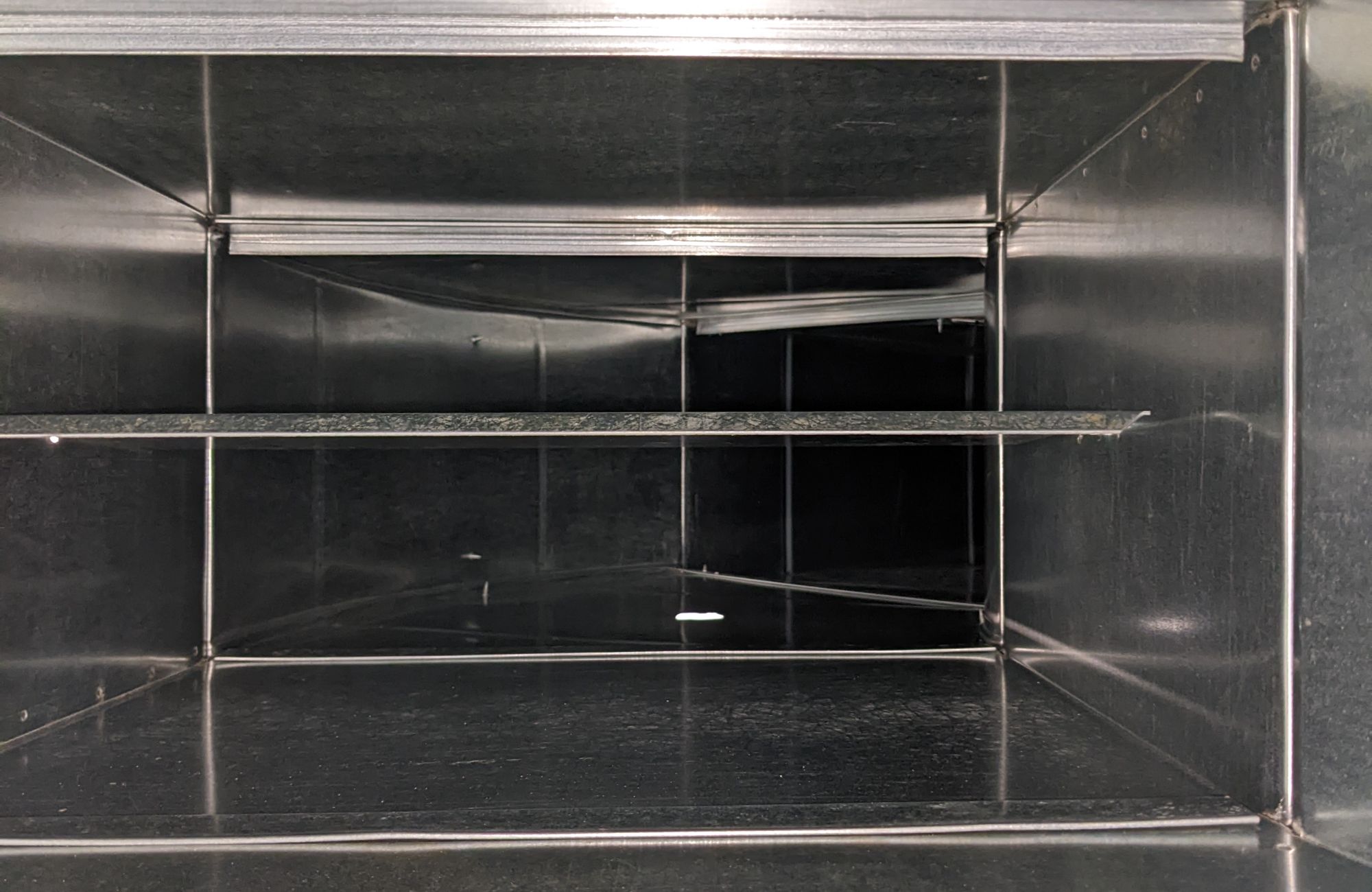
Contaminated air ducts harbour dust, pet dander, bacteria, and mould spores that accumulate over months and years of HVAC operation. When our heating and cooling systems run, these particles become airborne and circulate through every room in our homes.
Research shows that indoor air can contain two to five times more pollutants than outdoor air when ventilation systems remain uncleaned. The concentration of airborne contaminants increases significantly in homes with pets, smokers, or recent renovations. Dust mites, which thrive in dusty environments, produce waste particles that measure less than 10 microns. These microscopic particles easily enter our respiratory tracts and settle in our lungs. Mould growth within ductwork releases spores continuously, creating persistent exposure even when visible mould isn’t present elsewhere in the home.
Connection Between Airborne Allergens And Phlegm
Our respiratory systems produce phlegm as a protective response to airborne irritants and allergens circulating from dirty ductwork. When we inhale particles like dust, pollen, and mould spores, the mucous membranes in our airways increase mucus production to trap and expel these foreign substances. A phlegmy cough due to dirty furnace systems often persists because the source of irritation continues with each heating cycle. The constant exposure to contaminated air keeps our airways inflamed and mucus production elevated.
Common allergens that trigger excess phlegm production include:
- Dust mites and their waste products
- Mould spores from damp ductwork
- Pet dander accumulated in vents
- Pollen brought in through ventilation systems
- Bacteria colonies growing on dust deposits
Recognizing Health Symptoms Related To Poor Air Quality
We can identify respiratory issues linked to contaminated air ducts through specific symptoms that worsen when our HVAC systems operate. Morning coughing fits, persistent throat clearing, and post-nasal drip often intensify during heating or cooling seasons. Common symptoms include chronic coughing with phlegm production, particularly after the furnace or air conditioner runs for extended periods. We may notice increased congestion, wheezing, or difficulty breathing that improves when spending time outdoors.
Individuals with asthma or allergies experience more frequent flare-ups in homes with dirty ductwork. Children and elderly family members typically show symptoms first due to their more sensitive respiratory systems. Frequent sinus infections, recurring bronchitis, and unexplained fatigue can all indicate poor indoor air quality stemming from contaminated ventilation systems.
Effective Air Duct And Furnace Cleaning For Relief From Cough And Phlegm
Contaminated air ducts and furnaces circulate dust, mould spores, and allergens that irritate respiratory systems and trigger phlegmy coughs. Professional cleaning removes these contaminants from HVAC systems, while regular preventative maintenance keeps airways clear and reduces ongoing respiratory irritation.
Benefits Of Professional Air Duct Cleaning
Professional air duct cleaning addresses the complete HVAC system rather than just accessible vents. Technicians use specialized equipment including high-powered vacuums and rotary brushes to remove accumulated dust, mould, bacteria, and debris that household tools cannot reach.
The source removal method provides the most thorough cleaning. This approach combines negative pressure systems with agitation devices to dislodge contaminants from duct surfaces. Technicians seal off sections of ductwork and use HEPA-filtered vacuums to prevent particles from re-entering living spaces.
Key improvements after professional cleaning include:
- Reduced airborne irritants that trigger coughing
- Removal of mould colonies that produce respiratory irritants
- Elimination of dust mites and their waste products
- Decreased bacterial contamination in air circulation
We see measurable benefits when the entire system undergoes cleaning, not just individual components. Partial cleaning allows contaminants to spread from uncleaned areas back into treated sections.

Steps For Preventative Furnace Maintenance
Regular furnace maintenance prevents the buildup of contaminants that cause phlegmy coughs. We recommend changing furnace filters every 1-3 months depending on household conditions, as clogged filters force systems to recirculate contaminated air.
Monthly maintenance tasks:
- Inspect and replace air filters
- Check vents for visible dust accumulation
- Monitor for musty odours indicating mould growth
Annual professional servicing should include:
- Inspection of heat exchangers for cracks
- Cleaning of blower components
- Assessment of combustion chambers
- Examination of ductwork connections for air leaks
Between professional cleanings, we can vacuum accessible vent covers and wipe down return air grilles. These simple actions reduce dust recirculation without requiring specialized equipment.
Choosing The Right Service For Cleaner Indoor Air
Qualified duct cleaning services belong to industry associations such as the National Air Duct Cleaners Association (NADCA). These companies follow established standards for complete HVAC system cleaning rather than surface-level treatments.
Request detailed explanations of cleaning methods before hiring. Reputable companies inspect systems with cameras, provide written estimates, and explain which components require attention. We avoid aggressive sales tactics or claims of immediate health benefits.
Essential service features include:
- HEPA-filtered vacuum systems (minimum 5,000 CFM capacity)
- Rotary brushes or compressed air tools for agitation
- Antimicrobial treatments only when mould is present
- Post-cleaning system verification
Our technicians will clean supply ducts, return ducts, registers, grilles, heating and cooling coils, and the furnace cabinet. Services offering exceptionally low prices often clean only main trunk lines while ignoring branch ducts where contaminants accumulate.

Frequently Asked Questions
Persistent coughing and phlegm production often prompt questions about treatment methods, warning signs, and environmental factors like indoor air quality. Understanding when symptoms require medical attention and how maintaining clean air ducts contributes to respiratory health helps us make informed decisions about our wellbeing.
How Does Indoor Air Quality Affect Respiratory Health?
The air we breathe indoors directly impacts our respiratory system, as contaminated air can introduce irritants, allergens, and pathogens into our airways. Poor indoor air quality often leads to increased coughing, throat irritation, and difficulty breathing, particularly in individuals with existing respiratory conditions.
When our HVAC systems circulate air through dirty ducts, they can distribute dust, mould spores, and other contaminants throughout our homes. This constant exposure may trigger allergic reactions, worsen asthma symptoms, and contribute to chronic respiratory irritation.
When Should One Be Concerned About the Colour and Consistency of Phlegm?
Pay attention when phlegm changes to thick yellow, green, brown, or contains blood, as these colours often indicate infection or other health concerns. Clear or white phlegm is typically less concerning, though increased production may still signal irritation or mild illness.
Blood-streaked mucus requires immediate medical evaluation, as it can indicate serious conditions requiring prompt treatment. Also seek medical care if phlegm production is accompanied by high fever, severe chest pain, or difficulty breathing.
What Are the Health Benefits of Regular Air Duct Cleaning in a Home?
Regular air duct cleaning removes accumulated dust, allergens, and microbial contaminants that can trigger respiratory symptoms and allergic reactions. We experience improved indoor air quality when our ductwork is free from these irritants, which is particularly beneficial for household members with asthma or allergies.
Clean air ducts support overall respiratory health by reducing our exposure to airborne particles that cause coughing, sneezing, and congestion. The removal of mould, bacteria, and other contaminants from our ventilation system creates a healthier living environment for everyone in the home.
How Often Should Air Ducts Be Cleaned to Maintain Optimal Air Quality?
We should generally have our air ducts professionally cleaned every three to five years under normal circumstances. Households with pets, smokers, recent renovations, or family members with respiratory conditions may require more frequent cleaning, potentially every two to three years.
Certain health conditions warrant increased attention to duct cleaning frequency to minimize exposure to airborne irritants. We should also schedule cleaning if we notice visible mould growth, excessive dust accumulation, or musty odours coming from our vents.


